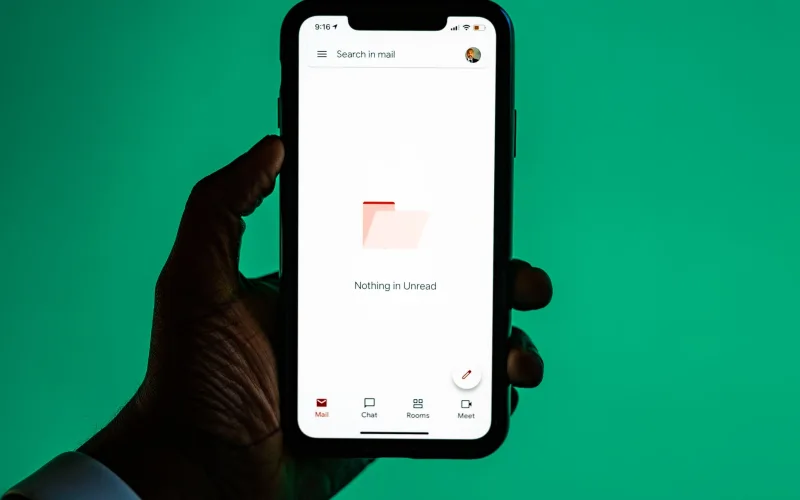
Foto: Solen Feyissa / Pexels
What Is Digital Spam? The Definition You Need to Know
Have you ever received an email with a subject line like "You Won! Click Now!" even though you didn’t enter any contest? Or suddenly got a WhatsApp message from an unknown number saying, "Click this link to claim a prize worth Rp10 million"? If so, that’s not just coincidence—it’s a real-life example of what digital spam is. Simply put, what digital spam is refers to messages or content sent in bulk without permission, highly disruptive, and typically delivered via email, social media, messaging apps, or even website ads. For UMKMs, digital spam isn’t just a minor annoyance—it’s a ticking time bomb that can damage your reputation, compromise security, and hurt your profits.
In the context of small businesses, what digital spam is often shows up as excessive promotional emails, automated WhatsApp messages, or uncloseable pop-up ads. Imagine you’re focused on preparing financial reports, and suddenly a "90% Off!!" ad pops up out of nowhere. It feels like being shoved into a room full of people shouting randomly. And if you’re not careful, you could become a victim of increasingly sophisticated digital scams.
Common Examples of Digital Spam in Today’s Digital World
When we talk about what digital spam is, we need to recognize it doesn’t always look dramatic like in Hollywood movies. Often, it comes in plain, innocent-looking forms. For example:
- Deceptive product offer emails with misleading subjects like "You Won! Click Now!"—even though you never signed up. These trigger anxiety, but worse, clicking them might lead to fake websites that steal your personal data.
- WhatsApp messages from unknown numbers instantly sending links like "Click to get a free voucher!"—but those links could contain malware that hacks your phone or steals your social media accounts.
- Endless pop-up ads appearing while browsing websites—even after closing them, they keep reappearing. This turns online shopping into a game of "defeat the ad!".
Beyond being annoying, all of these are part of what digital spam is—a smarter, harder-to-detect threat. Without proper filtering systems, the risk of falling victim is extremely high.
The Impact of Digital Spam on UMKM Businesses
You might think, "It’s just spam—no big deal." But don’t be fooled—what digital spam is goes far beyond irritation. It can seriously damage your business. Let’s explore the consequences:
First, loss of customer trust. If customers see your shop’s name in a spam email, they’ll immediately question: "Is this a legitimate business?" Even if you didn’t send the spam, your reputation could suffer due to indirect association. It’s like getting called into the office because your friend skipped work—despite you doing nothing wrong.
Second, decline in SEO performance. Spam bots flooding your website can trigger Google to detect fake traffic. As a result, your site may drop in search rankings. You’ve spent months optimizing content, only to see results ruined—like drinking water mixed with salt: pointless and frustrating.
Third, data breach risks. If one employee clicks a dangerous link from spam, hackers could gain access to your WhatsApp, email, or accounting systems. Imagine your customer data, pricing strategies, bank accounts—all exposed and sold on the dark web.
So, what digital spam is isn’t just about annoyance—it’s a real threat to your UMKM’s survival. Don’t wait until you lose money or customers before taking action.
How to Effectively Prevent and Fight Digital Spam
But don’t panic! There are practical steps to protect yourself from what digital spam is. First, use email filters and firewalls that automatically block spam. Platforms like Gmail or Outlook have these features—just make sure they’re turned on. Don’t let spam sneak into your inbox like wind through an open window.
Second, train your team to avoid opening emails or links from unknown sources. Even if it looks like it’s from a "business partner" or "store admin," verify the sender first. Better safe than sorry. Remember, scammers are experts at faking identities—just like celebrities using masks in selfies.
Third, enable two-factor authentication (2FA) on all important accounts. Think of it as a backup key stored elsewhere. Even if your password is leaked, hackers still can’t log in without the second verification code sent to your phone or email.
For advanced solutions, check out Jual Langsung — WhatsApp Commerce for UMKM sellers, which helps you sell products without resorting to spam. Or if you want safer inventory and order management, Orderku — online store page & receive orders can be your reliable ally amid the spam storm.
To stay informed, also read Has PPH Final for UMKM Been Extended? Here Are the Facts for 2025 to understand current tax regulations relevant to your business. For more inspiration, These UMKM Business Ideas Can Be Your Solution! offer expansion opportunities without falling into spam traps.
Finally, for official updates on Indonesia’s digital economy, visit the official sites of Ministry of Cooperatives and UKM, Bank Indonesia, or OSS (Online Single Submission). They provide up-to-date data and policies to guide your strategic decisions.
Don’t let what digital spam is destroy your business without a fight. Start protecting your business today with smart systems and a digitally aware team. Remember, the best solution for modern UMKMs isn’t just selling—it’s also having tools like Buku Usaha — simple bookkeeping for UMKM and Karajo HR — attendance, shifts, and payroll for employees that keep your operations secure and efficient. These can be your secret weapons to stay calm, even in a world full of spam.