Foto: Leeloo The First / Pexels
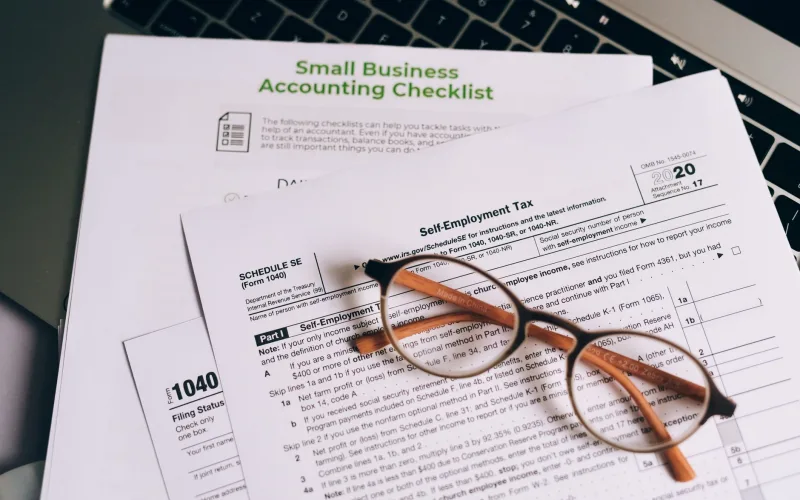
Babinsa monitoring UMKM taxes—sounds like a scene from a soap opera, but it’s actually happening in real life. You might think Babinsa only handle order, security, or help fix neighborhood watch posts. But today, they’re also leading the charge in ensuring micro-businesses comply with tax regulations. Not to punish street vendors, but to help them understand their obligations without fear. So, Babinsa monitoring UMKM taxes isn’t about chasing fines—it’s about education and guidance. And surprisingly, this approach has relieved many UMKM owners, even if they were initially nervous.
What Really Happens When Babinsa Monitor UMKM Taxes?
Imagine running a humble soto stall by the roadside, bustling every day—but never registered for taxes. Suddenly, a Babinsa arrives—not with a ticket, but with a friendly smile and a brochure: "Free Online Tax Registration." This isn’t fiction. Across villages and urban neighborhoods, Babinsa are actively supporting local UMKM as part of a national government initiative to boost tax compliance. But rest assured, their approach isn’t intimidating. They act more like trusted neighbors who genuinely want to help you grow. With a local touch and deep empathy, they bridge the gap between government policy and the everyday realities faced by micro-entrepreneurs who often feel lost in the world of taxation.
The Real Role of Babinsa in Tax Compliance: More Than Just Supervisors
You might assume Babinsa only enforce order, but in reality, they serve as vital connectors between national policy and on-the-ground conditions. Take one village in East Java: before Babinsa stepped in, only 15% of UMKM were tax-compliant. After direct outreach—societal talks at morning markets and casual coffee sessions with fried snack vendors—the number jumped to 68% within six months. How? Babinsa didn’t just say "register for taxes"—they helped complete free registrations via the OSS (Online Single Submission) system. They assisted with form filling, KTP photos, and explained that taxes aren’t a burden—they’re an investment in your business’s future. So, Babinsa monitoring UMKM taxes isn’t about control—it’s real, hands-on support.
UMKM Worried About Taxes? Here’s How Babinsa Helps
Honestly, many UMKM owners fear taxes—worried about penalties, confused by bureaucracy, or simply unsure where to start. Some believe taxes only apply to big stores; others fear being labeled wealthy after registration. But most UMKM that join the tax system gain real benefits: access to official suppliers, easier credit applications, and eligibility for government tenders. That’s exactly where Babinsa step in—not as enforcers, but as mentors. They host workshops at warung kopis, under rambutan trees, or in mosque courtyards. Some even use portable screens and speakers so everyone can hear clearly. With relaxed vibes and everyday analogies—"Taxes are like RT contributions, but for the country, not your friends"—they turn anxiety into smiles.
Is Babinsa Monitoring UMKM Taxes Effective—or Overreaching?
Data shows clear results: Babinsa’s efforts have significantly boosted tax compliance among UMKM. According to reports from the Ministry of Finance, regions with active Babinsa mentoring saw a sharp rise in Micro Business Taxpayers (WPUM). In some regencies, compliance rates increased by up to 40% in just one year. Still, balance is key. Monitoring shouldn’t involve slogans like "Fine Rp10 Million If You Don’t Register!" That’s unhelpful—and only adds stress. The goal remains human-centered: recognize those who comply, gently guide those who haven’t. Ultimately, it’s not about punishment—it’s about building a stronger, more resilient small business ecosystem.
How Babinsa Help UMKM Navigate Tax Policies
Babinsa have a unique advantage: they know the real-life challenges on the ground. They understand that a pancake seller in a village may earn just Rp50,000 a day—and forcing high taxes could push them to close shop. That’s why they don’t just implement policies—they share feedback upward. For example, their advocacy led to proposals expanding tax exemptions for UMKM with turnover below Rp100 million—now a foundation for new policy. Through local insight and emotional connection, Babinsa become voices for UMKM in government discussions. They’re not just supervisors—they’re quiet advocates fighting for fairer, more compassionate tax rules.
Still unsure where to start as a UMKM owner? You’re not alone. Swara Pelita Group offers practical solutions you can try right now. Check out Jual Langsung — WhatsApp Commerce for UMKM to boost sales effortlessly. Or keep things organized with Buku Usaha — Simple UMKM Accounting to track all transactions, so tax filing feels stress-free. Want to go online? Orderku — Online Store & Order Management opens your door to digital commerce. Need help managing staff? Karajo HR — Attendance, Shifts & Payroll keeps your team on time and on track. And don’t miss our latest article: EDC Machines Are Smart Solutions for UMKM, helping you accept digital payments without hassle.
Stop fearing taxes. With Babinsa’s support and Swara Pelita Group’s tools, you can grow safely, legally, and with confidence. Let’s make your UMKM smart, strong, and ready to shine!